
Leaving Holiday Decorations Up Long Past the Season
It is widely accepted that the magic of holiday lights begins to fade shortly after the first of the year. While life certainly gets busy, leaving a plastic glowing reindeer or a 'Happy Halloween' banner up until the spring thaw is often seen as a sign of neglect by the rest of the block. Neighbors might not say anything to your face, but they are likely wondering if you have simply given up on the exterior of your home. It creates a visual cluttered look that affects the cohesive feel of the street.

Most etiquette experts suggest that by the second week of January, the festive cheer should be tucked away in the garage. Social pressure to clear the lawn is palpable.
Claiming Public Street Parking as a Private Spot
While the asphalt in front of your house is technically public property, there is a very strong unwritten rule that the space belongs to the homeowner. Parking your extra vehicle in front of a neighbor’s house for days on end is a surefire way to build silent resentment. This is especially true in neighborhoods where driveways are small or non-existent. People like to have a clear view of their own home and easy access for unloading groceries. When someone consistently takes 'the good spot' in front of another person's residence, it is often viewed as a territorial intrusion.
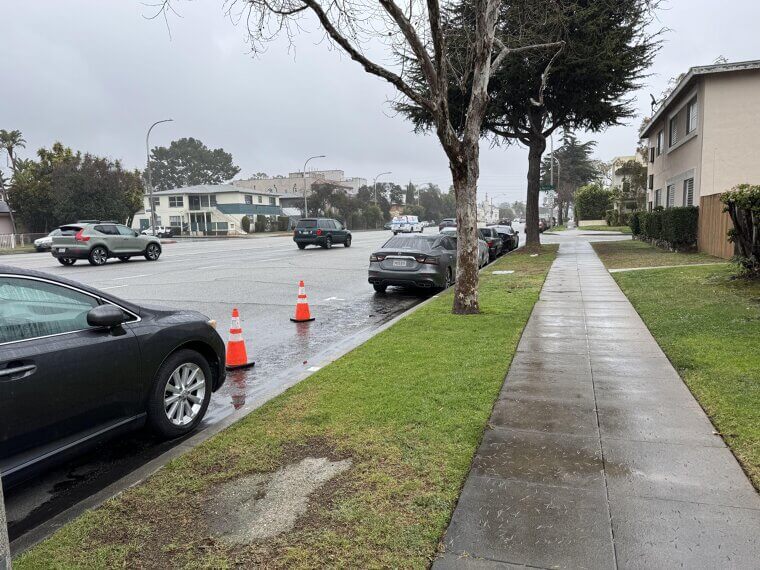
Allegedly, some of the longest-running neighborhood feuds have started over nothing more than a silver sedan parked three feet too far to the left of the property.
Operating Heavy Machinery Too Early on Weekend Mornings
Saturday and Sunday mornings are sacred times for many homeowners who look forward to sleeping in or enjoying a quiet cup of coffee on the porch. Firing up a high-decibel power washer, a leaf blower, or a lawnmower at 7:00 AM is generally considered a major social faux pas. Even if you are an early riser who wants to beat the heat, the sound of an engine echoing through the quiet neighborhood can be incredibly jarring for those still in bed at that hour. Most considerate neighbors wait until at least 9:00 AM.
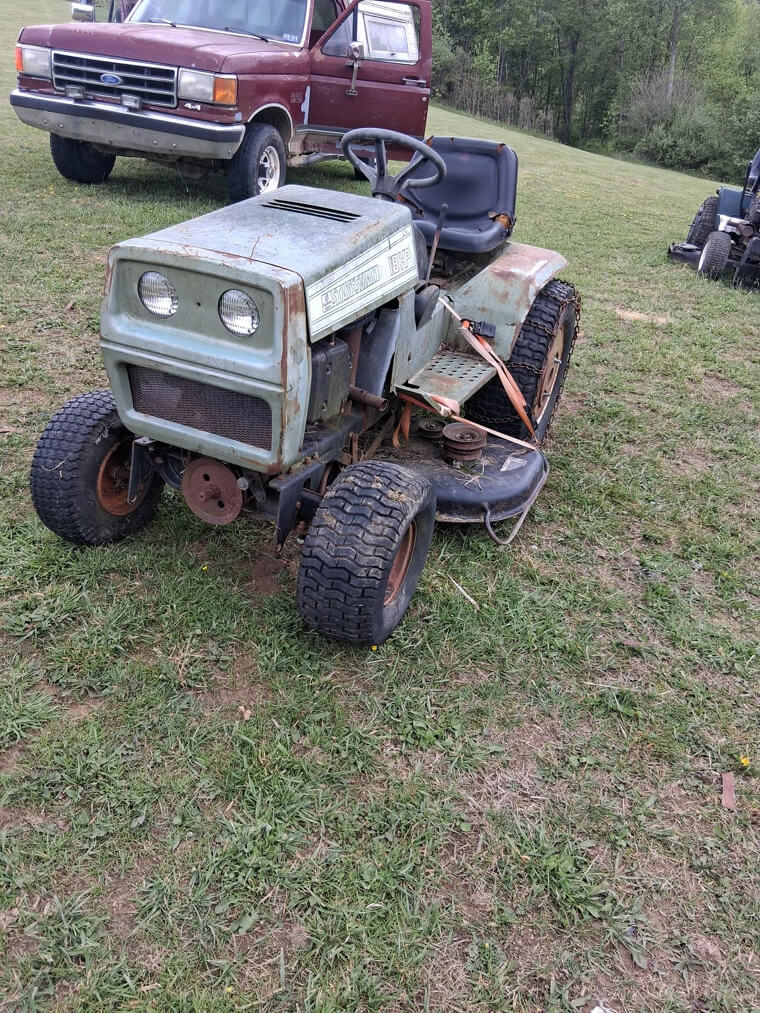
Being 'the loud neighbor' on a Sunday morning is a reputation that is very hard to shake once you have earned it. It truly bothers the quiet community.
Neglecting the Invisible Boundary Lines of Your Lawn
Mowing your lawn is a standard chore, but how you handle the 'no man’s land' between your property and your neighbor's says a lot about your character. If you stop your mower exactly on the property line, leaving a tall tuft of grass right against your neighbor’s neatly manicured turf, it can look quite petty. Most friendly neighbors will overlap by a few inches or even mow a single strip of the neighbor’s side to ensure a clean, seamless look for the entire block. When there is a stark, messy contrast at the property line, it suggests a lack of community spirit.
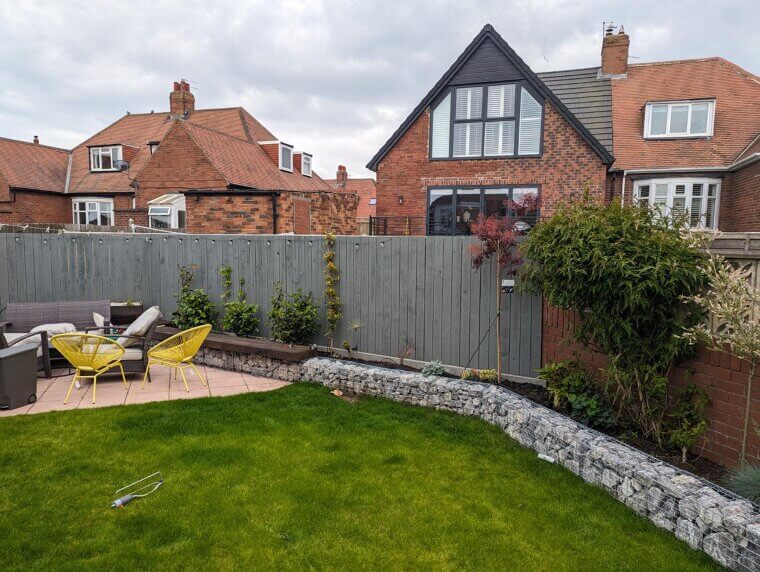
Allegedly, some neighbors use these lines as a silent way to signal they are unhappy with the person living next door. It creates a visual divide.
Letting Your Dog Use the Neighbor's Prize Flowerbed
Pet ownership comes with a whole host of unspoken social contracts, and the most important one involves where your furry friend decides to go. While most people are fine with a dog using the grass near the curb, allowing a pet to wander deep into a neighbor’s yard or near their prized rose bushes is a huge 'no-no.' Even if you pick up after the pet, the nitrogen in the waste can reportedly damage sensitive plants and discolor the grass. Neighbors who spend hundreds of dollars and dozens of hours on their landscaping are secretly—or perhaps not so secretly—fuming when they see a neighbor.
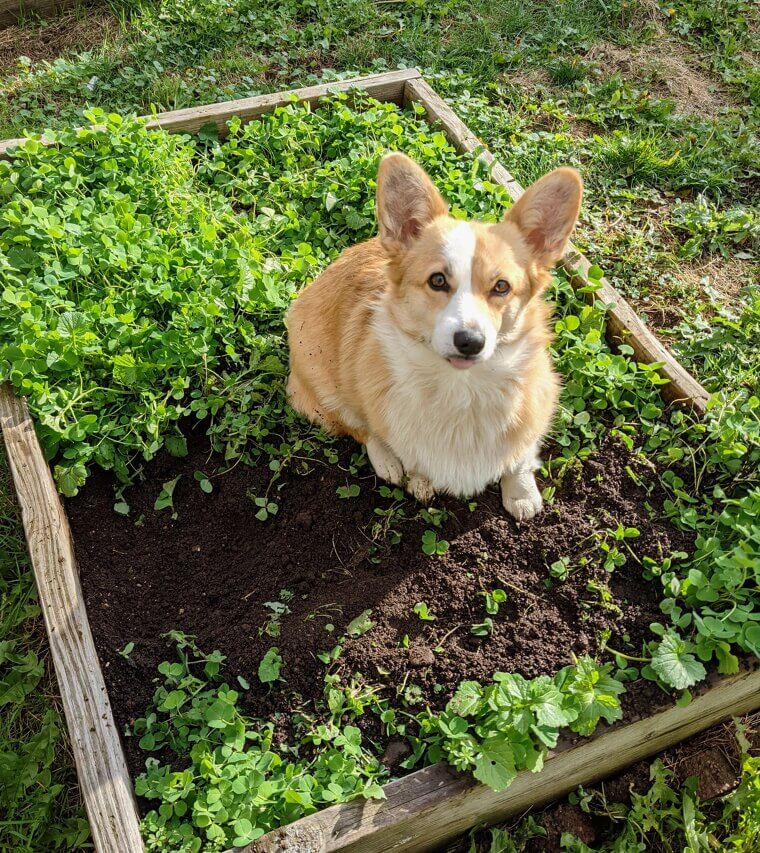
They are often fuming when they see a neighbor being inattentive on a walk. This can lead to very awkward confrontations between longtime residents and pet owners.
Returning Borrowed Tools Without Cleaning Them First
The tradition of borrowing a ladder, a shovel, or a power drill from the person next door is a hallmark of a tight-knit community. However, the unwritten rule is that the item should be returned in better condition than you found it. Bringing back a lawnmower with an empty gas tank or a shovel covered in dried mud is considered incredibly disrespectful. It signals that you value your neighbor's property less than they do. Ideally, you should wipe down the tool and perhaps even offer a small token of thanks, like a treat or a cold beverage.
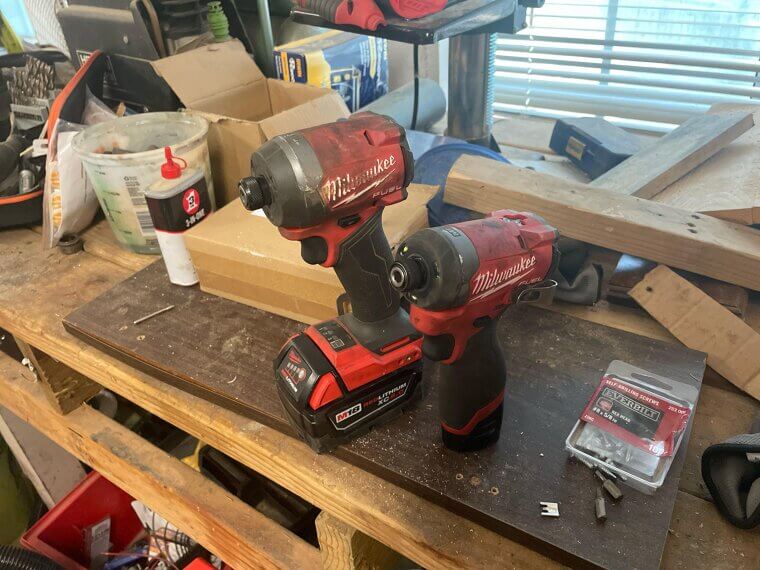
Those who fail to follow this etiquette often find that the next time they need to borrow something, the neighbor is suddenly unable to find the keys.
Taking Over the Entire Sidewalk with Overhanging Shrubbery
Public sidewalks are meant for walking, but when a homeowner allows their hedges or tree branches to grow unchecked, it forces pedestrians to duck or walk in the street. This is particularly difficult for elderly neighbors or parents pushing strollers. While you might enjoy the privacy that a massive hedge provides, the community sees it as a disregard for public safety and accessibility. Keeping your greenery trimmed back to your property line is a basic courtesy that keeps the neighborhood walkable and inviting. Neglecting this task is often interpreted as a sign that you are disconnected from neighbors.
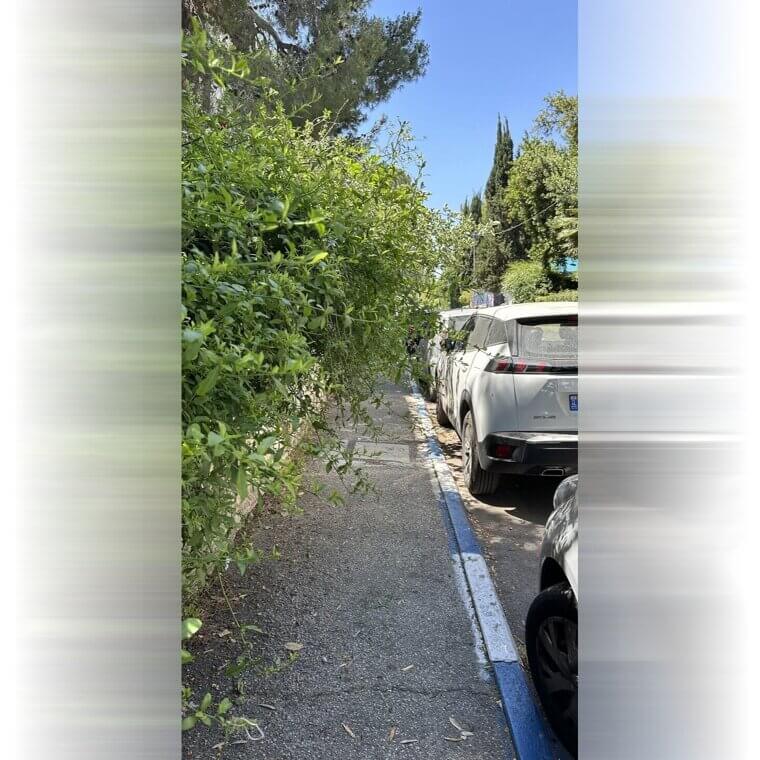
This negligence suggests you are disconnected from the needs of the people living around you. It truly makes the entire street feel much less welcoming overall.
Allowing Multiple Trash Cans to Sit at the Curb
Trash day is a necessary evil, but once the truck has come and gone, the bins should be moved out of sight as soon as possible. Leaving empty bins at the curb for two or three days makes the entire street look cluttered and unkempt. It also signals to potential intruders that no one may be home, which can be a security concern for the whole block. Most neighbors appreciate it when bins are tucked away in the garage or behind a side gate. Reportedly, some neighbors will even pull a bin up for a friend who is working late.
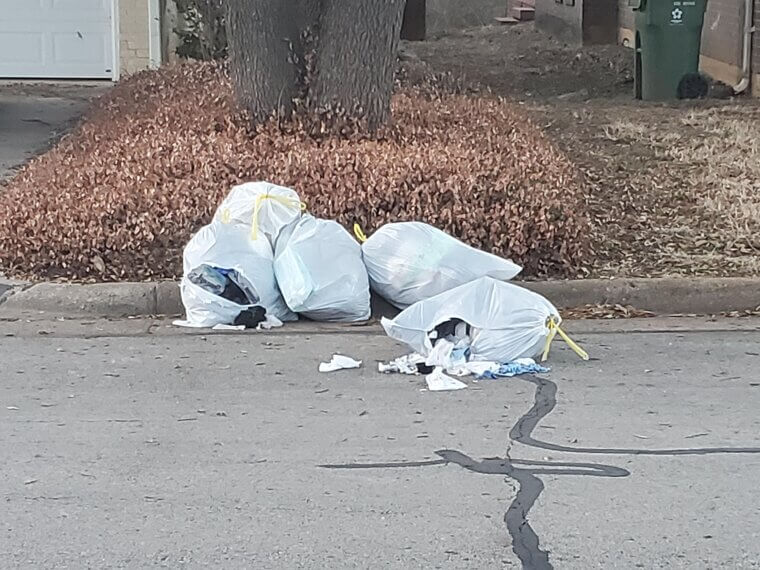
However, if you consistently leave yours out, don’t expect the same level of kindness. It makes the block look messy and totally uncared for by residents.
Hosting Loud Outdoor Gatherings Late into the Night
There is nothing wrong with a backyard barbecue or a summer celebration, but the atmosphere changes significantly once the sun goes down. In a quiet residential area, sound travels much further than you might realize. Laughter, music, and the clinking of glasses can keep people awake two houses away. The unwritten 'curfew' for most neighborhoods is around 10:00 PM on weeknights and perhaps 11:00 PM on weekends. If the party is still roaring past those hours, you are likely the subject of a very active neighborhood group chat or a phone call.

Being mindful of the volume is the best way to ensure you are invited to the next neighborhood block party. Respect the local peace and quiet.
The Unannounced Drop-In Visit at Inconvenient Times
In the era of smartphones, the 'stop-by' has become a bit of a lost art, and for some, a source of major anxiety. While the 1950s might have been all about popping in for a cup of sugar, today’s homeowners often prefer a quick text before someone knocks on the door. Coming over unannounced when someone is in the middle of dinner, a work call, or a nap can be seen as an intrusion of privacy. Even the most social neighbors appreciate the chance to tidy up or finish what they are doing before hosting. Unless it is an absolute emergency, a heads-up is better.
A heads-up is always the more polite way to maintain a good relationship with the folks next door. Sudden visits can really disrupt someone's personal schedule.
Letting Junk Mail Pile Up in the Front Entry
A stuffed mailbox or a pile of yellowing newspapers on the driveway is more than just an eyesore; it’s a red flag for the entire street. To neighbors, this suggests either a lack of pride in the home or that the residents are away, making the area a target for porch pirates. Even if you don't read the local circulars, picking them up daily keeps the neighborhood looking lived-in and secure. If you are going out of town, asking a neighbor to clear these items is standard practice. Neglecting this small task can lead to hushed conversations and worries.
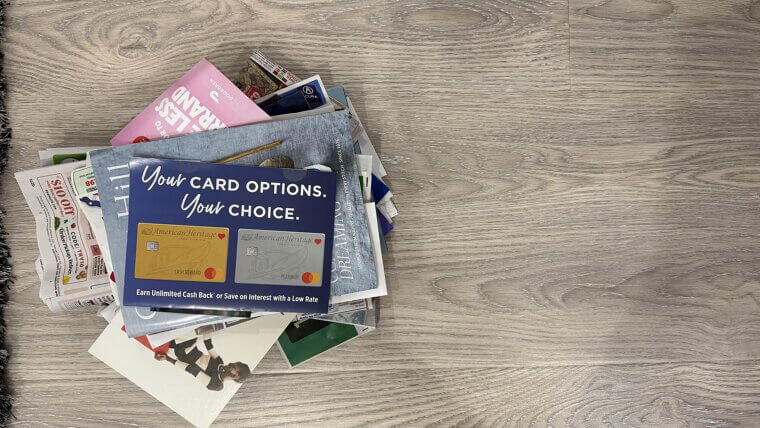
This can lead to hushed conversations about whether everything is all right over at your house. It is best to keep the entrance clear and tidy.
Ignoring the Shared Fence Maintenance Needs
Fences make good neighbors, but only if they aren't falling over or covered in mold. Because a fence usually sits right on the property line, it is a shared visual responsibility. If your side of the fence is falling apart, it negatively impacts your neighbor’s backyard view and potentially their property value. Before starting any major repairs or changing the color of the stain, it is customary to have a quick chat with the person on the other side. Failing to communicate about shared boundaries is a classic catalyst for long-term tension. A well-maintained fence is a vital sign.
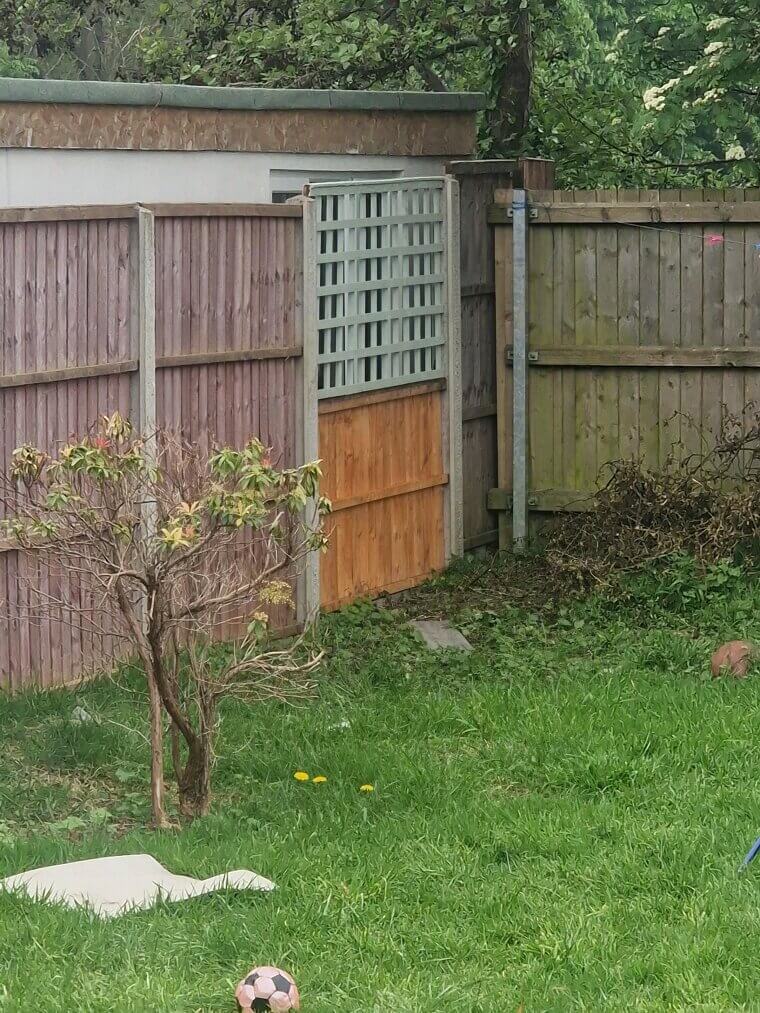
A well-maintained fence is a sign of a functional, respectful relationship between two households. It keeps the boundary looking professional and clean for both parties involved.
Parking Large Recreational Vehicles in the Driveway Permanently
While you may be proud of your brand-new RV or your weekend fishing boat, your neighbors might not be as excited to stare at it every day. Large vehicles can block sightlines for people pulling out of their driveways and can make the street feel cramped and 'industrial.' Many people feel that driveways should be reserved for daily-use cars, while larger 'toys' should be kept in a storage facility or behind a tall fence. Having a massive camper looming over the sidewalk for months at a time is often seen as an imposition on the visual landscape.
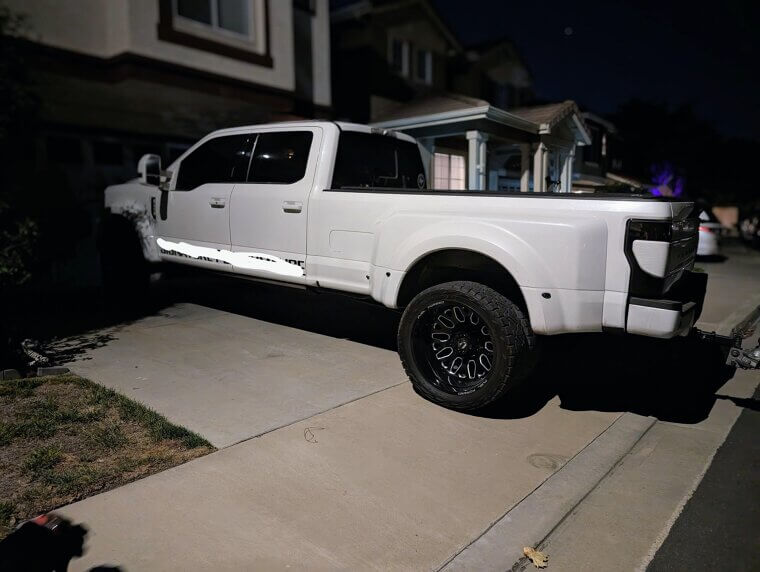
This is often seen as an imposition on the visual landscape of the community. It can make a nice residential street feel cluttered and small.
Feeding Wild Animals That Become a Neighborhood Nuisance
It might seem kind to leave out bowls of food for the local stray cats, raccoons, or squirrels, but this often creates a ripple effect of problems for everyone else. Feeding wildlife can encourage animals to congregate, which leads to damaged gardens, knocked-over trash cans, and potential safety issues for household pets. Your neighbor might be trying to keep pests out of their attic while you are essentially inviting them to the block with a buffet. Most homeowners prefer to keep the local fauna at a natural distance. Allegedly, unintentional infestations often start with kindness.

Unintentional infestations often start with one well-meaning person who just wanted to help. This can lead to costly pest control bills for everyone on the block.
Consistent Barking from a Dog Left in the Yard
Everyone understands that dogs bark occasionally, but a pet that yaps incessantly for hours while left alone in the backyard is a major stressor for the neighborhood. The sound can penetrate through walls and windows, making it impossible for neighbors to enjoy their own homes or yards. It also raises concerns about the well-being of the animal. Responsible pet owners usually bring their dogs inside if they can’t be quieted. Ignoring a barking dog is often interpreted as an 'I don't care about your peace and quiet' message to everyone within earshot who lives near you.
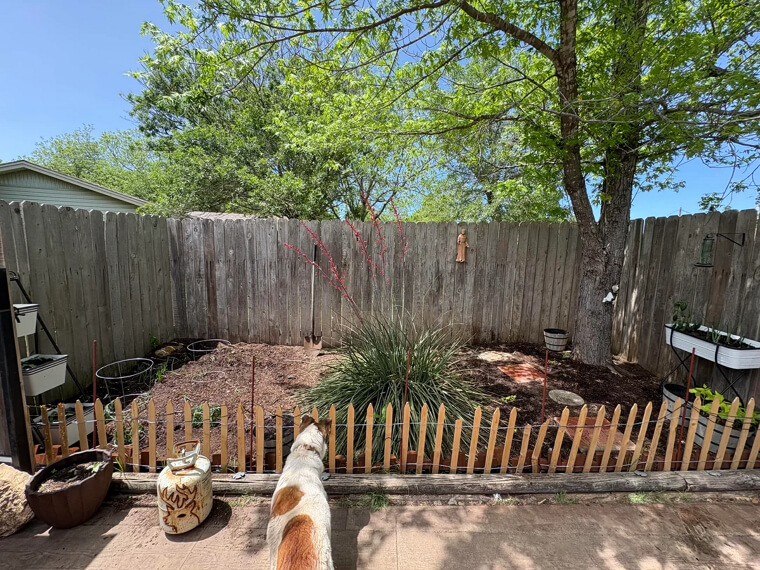
This is often interpreted as a lack of care for the community's peace. It can lead to formal noise complaints if the behavior continues indefinitely.
Regularly Having Garage Sales
An occasional garage sale is a fun neighborhood event, but when a front yard starts to look like a permanent flea market, the vibe changes. Leaving items with 'Free' or 'For Sale' signs on the curb for more than a day or two is generally looked down upon. It creates an atmosphere of clutter and can lower the perceived value of the homes nearby. If an item doesn't sell or isn't picked up within 24 hours, the polite thing to do is to take it to a donation center. Keeping the front clear of merchandise is a social rule.
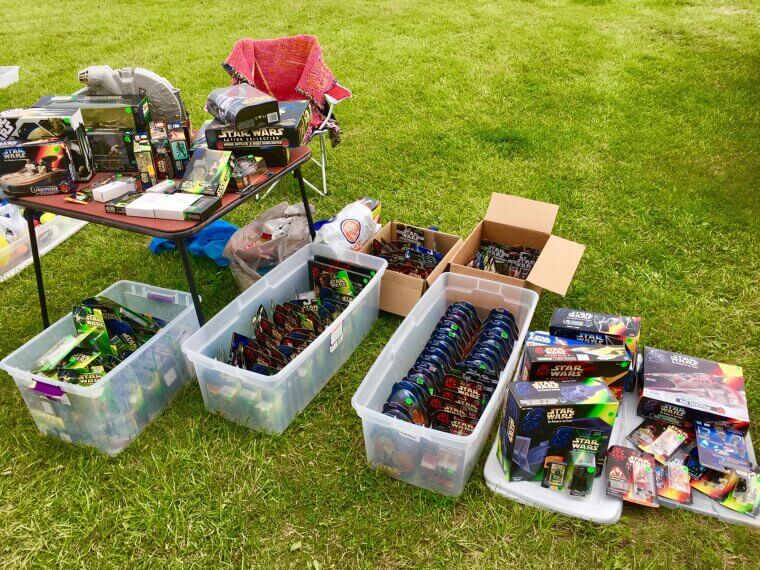
Keeping the front of the home clear of 'merchandise' helps maintain the residential feel everyone moved there for. Excess clutter is usually judged very harshly.
Using a Bright Security Light That Shines into Bedrooms
Home security is important, but the placement of your motion-activated floodlights matters. If your light is positioned so that it blasts into the neighbor's master bedroom every time a cat walks by, you are effectively ruining their sleep. Most modern security lights are adjustable, and a considerate neighbor will ensure the beam stays focused on their own property. Taking five minutes to aim the light downward can prevent a lot of 'shady' looks at the next mailbox encounter. It’s one of those small technical fixes that can significantly improve the quality of life.
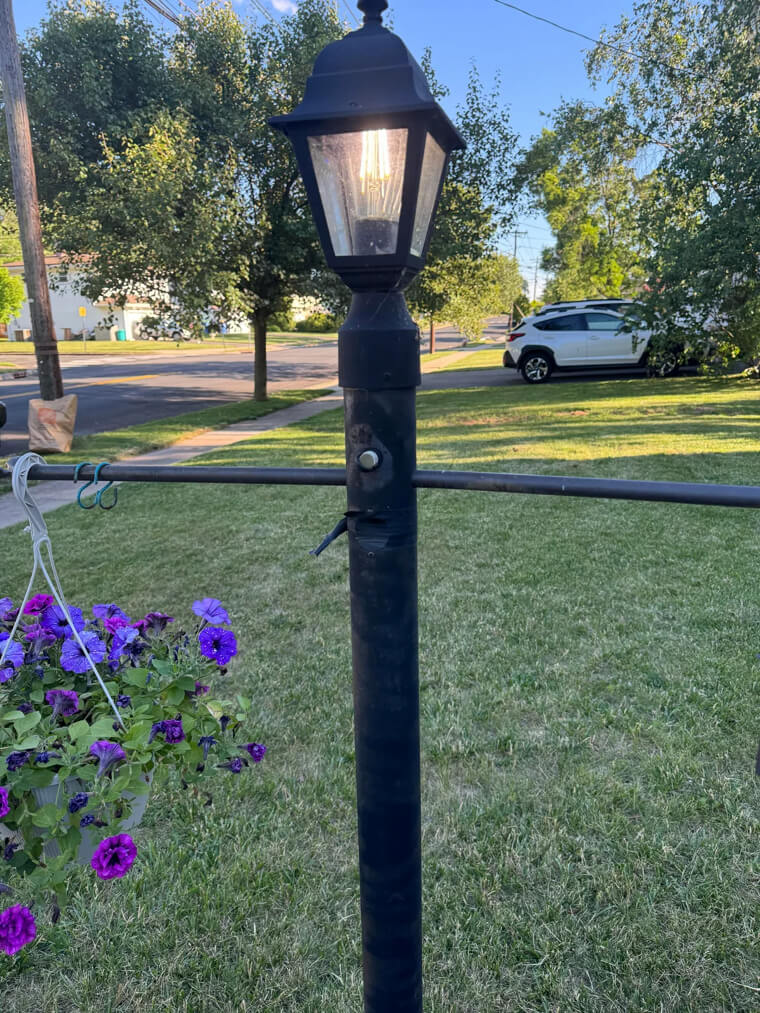
This simple adjustment can significantly improve the quality of life for the people living right next to you. Sleep is a very precious commodity indeed.
Not Picking Up After a Project's Construction Debris
Home improvement is great for property values, but the mess that comes with it can be a nightmare for the neighbors. Whether it’s a pile of old shingles, discarded drywall, or a literal dumpster sitting on the street for a month, construction debris is an eyesore. Neighbors are usually patient for a week or two, but when the mess lingers indefinitely, it becomes a point of contention. Ensuring that the sidewalk is swept of nails and dust and that the debris is hauled away promptly shows that you respect the shared environment. Reportedly, some tensions arise from forever projects.
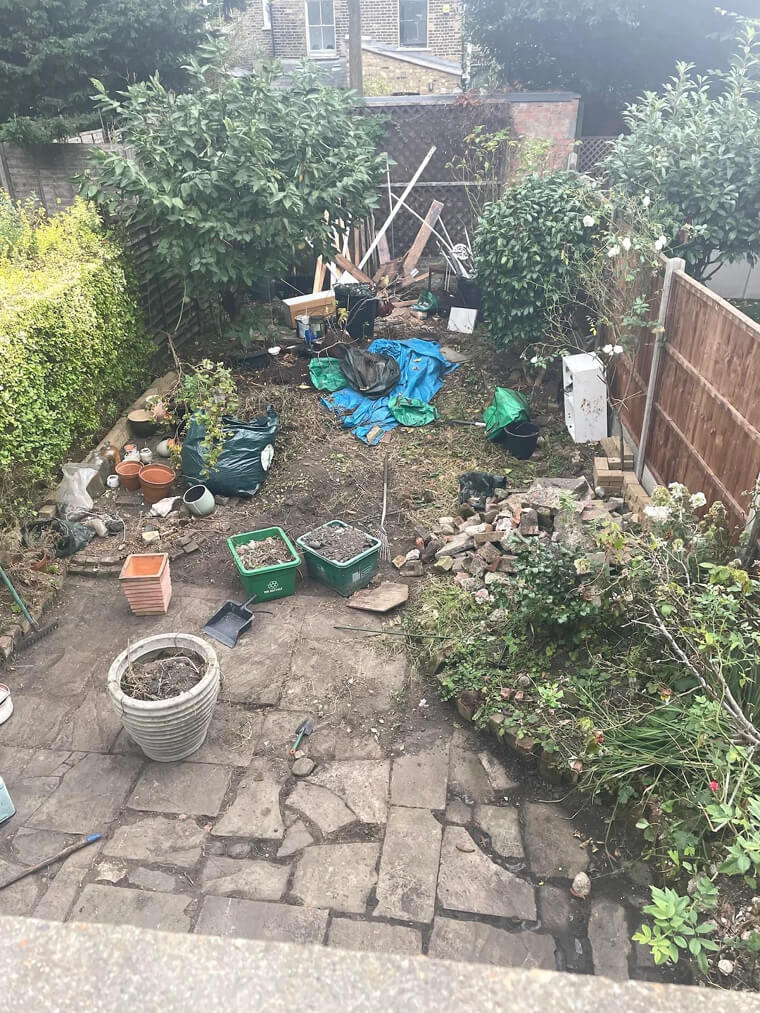
Reportedly, some of the worst neighborhood tensions arise from 'forever projects' that never seem to get cleaned up. It can make the whole street look messy.
Tree Branches that Drop Debris Constantly into the Next Yard
Trees are beautiful, but they don't respect property lines. If you have a tree that drops heavy sap, large seeds, or constant dead branches into a neighbor’s yard or onto their driveway, it becomes their chore to clean up your tree’s mess. While legally you may not always be required to trim them, the unwritten rule of 'good neighbor' etiquette suggests you should maintain your trees so they don't become a burden to others. A little proactive pruning can save your neighbor hours of raking and prevent potential damage to their property. It is proactive.
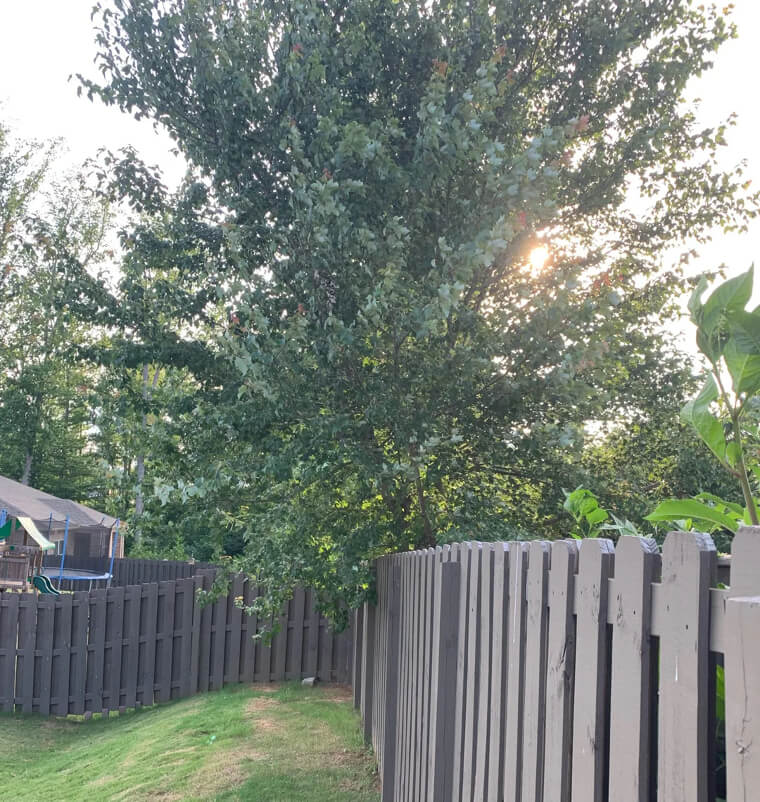
A little pruning is a proactive way to show you’re mindful of how your home affects theirs. It prevents future disputes over damaged property or vehicles.
Over-Sharing Personal Drama at the Mailbox
The mailbox is the classic 'neutral zone' for a quick 'hello,' but it’s not always the place for a deep dive into family secrets or medical histories. While some neighbors become best friends, others prefer to keep things light and 'surface level.' Trapping a neighbor in a 30-minute conversation about your recent legal troubles or internal family feuds can make them feel uncomfortable and trapped. It’s often better to gauge the other person’s body language; if they are checking their watch or slowly backing away, it’s time to wrap it up carefully for the day.
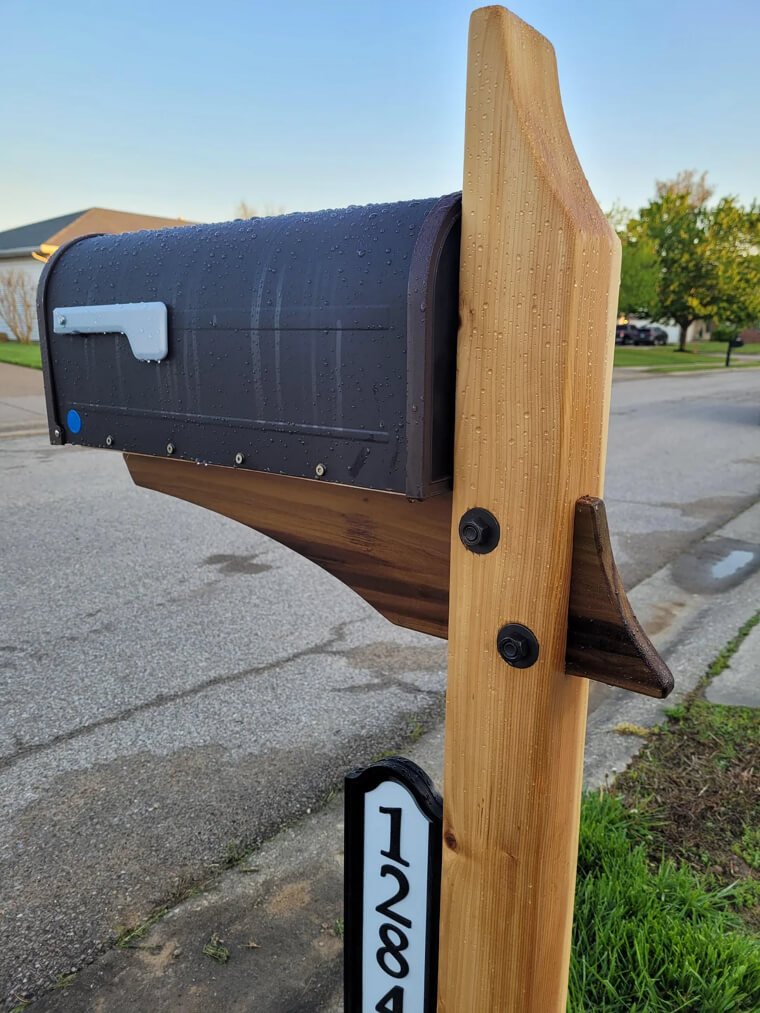
Keeping neighborhood interactions pleasant and brief is usually the safest bet for long-term harmony. Not everyone wants to know every detail of your personal life.
Leaving Empty Flower Pots and Dead Plants on the Porch
The curb appeal of a home is often anchored by the front porch, which serves as the 'face' of the house. When a homeowner leaves out plastic nursery pots or planters filled with brittle, brown remains of last summer's geraniums, it sends a signal of neglect. Neighbors who take pride in their landscaping often find these 'plant graveyards' to be a visual blight on an otherwise tidy street. Reportedly, many people feel that if you aren't going to maintain live plants, it is better to have an empty, clean porch than one cluttered with debris. It is a visual blight.
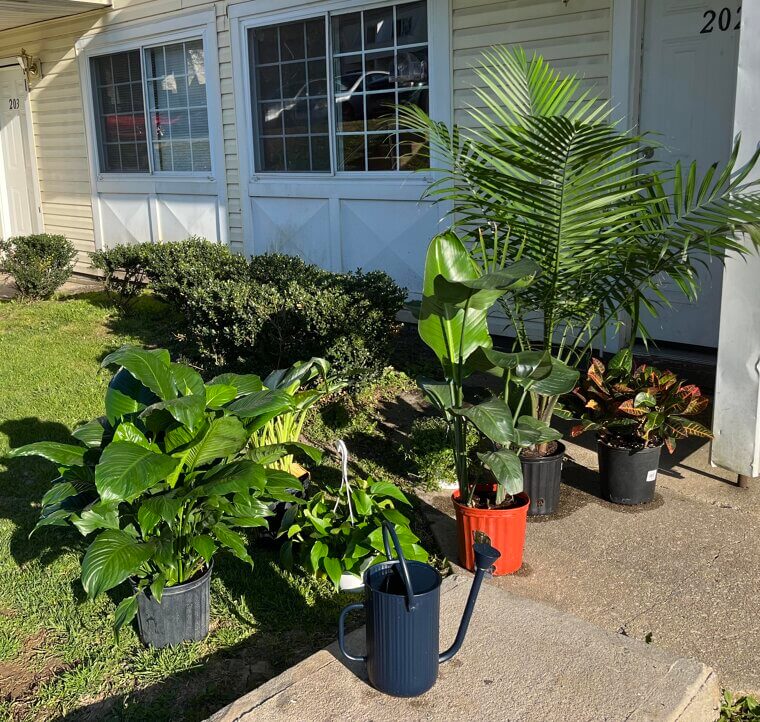
Taking a few minutes to clear away dead foliage shows that you still care about the neighborhood's overall aesthetic. It keeps the street looking lively and fresh.
Allowing Weeds to Go to Seed and Spread Next Door
A few weeds are a natural part of gardening, but allowing dandelions or thistles to grow tall and release their fluffy seeds is considered a neighborhood 'sin.' Once those seeds catch the wind, they don't care about property lines; they head straight for the neighbor’s meticulously weeded garden beds. This creates extra work for everyone else on the block. Keeping your yard mowed before the weeds can reproduce is a silent way to show respect for the hard work your neighbors put into their own grass and gardens. Allegedly, some gardeners feel neighbor who lets weeds go to seed.
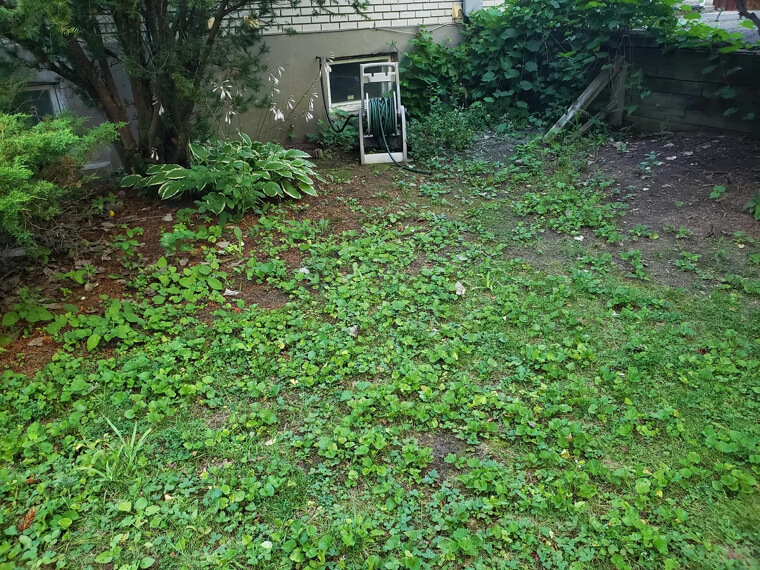
Allegedly, some gardeners feel that a neighbor who lets their weeds go to seed is effectively 'vandalizing' the surrounding lawns with future chores and extra work.
The Improper Etiquette of the Borrowing Request
While borrowing a cup of sugar is a classic trope, there is a modern etiquette to how you ask for favors. Bombarding a neighbor with requests for their lawnmower, their trailer, or their expertise without ever offering anything in return is a quick way to wear out your welcome. The unwritten rule is a 'give and take' system. If you borrow a tool, you should perhaps offer a plate of cookies or help them with a heavy lifting task later. Constant 'takers' are often the subject of hushed conversations at local gatherings. Most people are happy to help.
Most people are happy to help, but they want to feel like a friend, not a free rental service for your various home projects and chores.
Ignoring Your Home’s Peeling Paint or Clogged Gutters
Minor maintenance issues can quickly turn into major eyesores that affect the perceived value of the entire cul-de-sac. When paint starts to peel from the eaves or gutters are overflowing with visible 'gutter trees' (saplings growing in the muck), it suggests the home is falling into disrepair. Neighbors often worry that one poorly maintained house will lower the 'comparable' sales prices for the rest of the street. While everyone understands that home repairs are expensive, keeping up with the small, visible tasks is seen as a duty to the community. It is a necessary task.
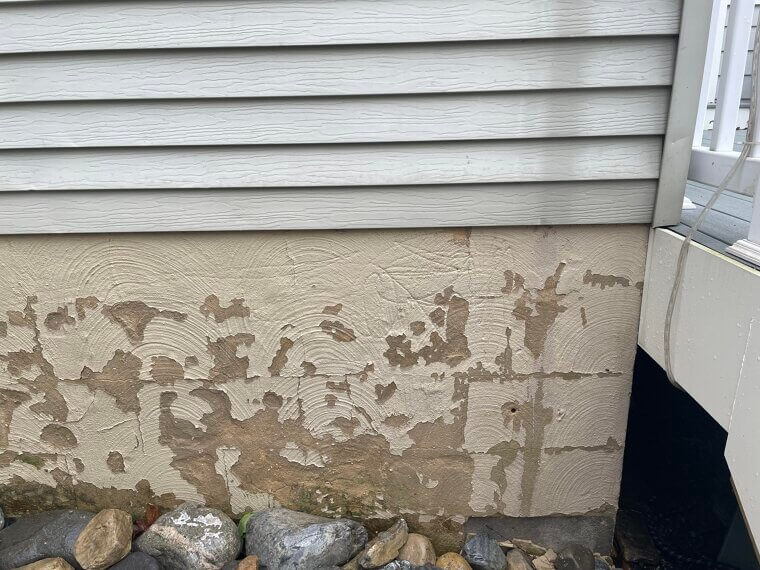
Keeping up with small, visible tasks is seen as a duty to the community. A well-maintained exterior is the best way to keep the peace.
Washing Your Car and Letting Suds Run into Their Yard
A Saturday car wash is a classic suburban ritual, but where the water goes matters more than you might think. If your driveway is sloped so that all the soapy, grimy runoff flows directly into a neighbor’s prized flowerbeds or pools in their yard, it can be a major annoyance. The chemicals in some car soaps are reportedly not ideal for certain types of grass or delicate ornamental plants. A considerate neighbor will aim the hose carefully and try to keep the runoff contained to the street or their own lawn. It is a tiny detail that matters.
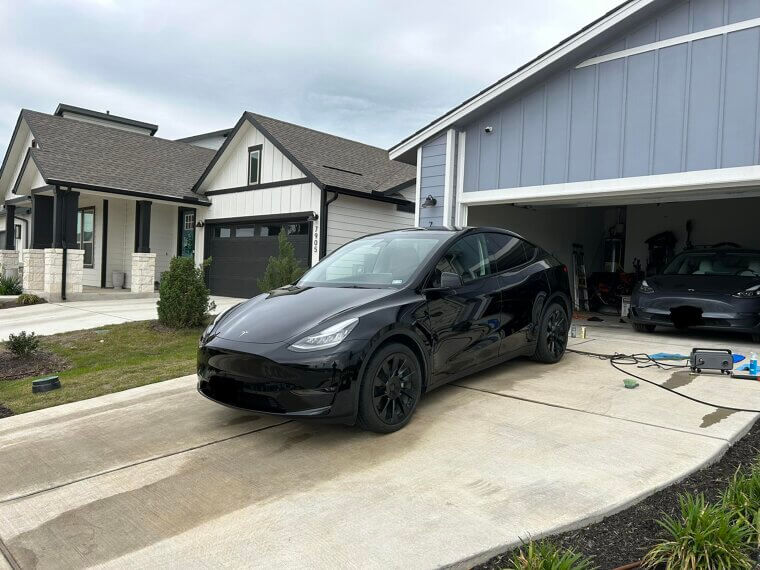
It is one of those tiny details that shows you are aware of your physical surroundings and their impact on others. Be mindful of the chemicals.
Leaving the Garage Door Open All Day and Night
While an open garage during the day is common when you’re working outside, leaving it wide open for everyone to see your 'storage' (or clutter) 24/7 is often frowned upon. For many, the garage is the 'junk drawer' of the home, and neighbors don't necessarily want to stare at your pile of old boxes, workout equipment, and holiday bins every time they look out their window. Additionally, an open garage can be seen as a security risk for the whole block, as it may attract unwanted visitors. Keeping the door closed when you aren't using it is better.
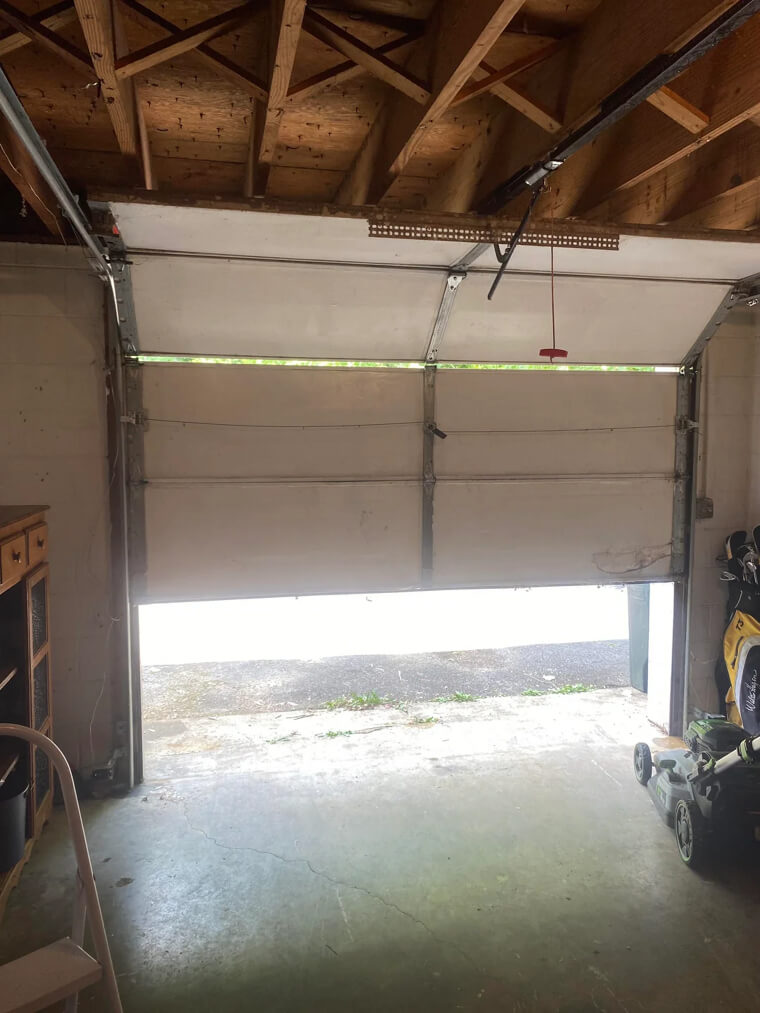
Keeping the door closed when you aren't actively using it keeps the neighborhood looking 'buttoned up' and tidy. It also provides a much-needed layer of security.
Encroaching on Shared Driveway Space with Extra Vehicles
If you are lucky enough to share a driveway or have homes that are very close together, spatial awareness is key. Parking your car so that it hangs over even an inch onto the neighbor’s side—or makes it difficult for them to swing their car door open—is a major faux pas. This is especially true if you have guests over who park haphazardly. Neighbors feel that their property is their 'sanctuary,' and having to navigate around someone else’s vehicle on their own land is incredibly frustrating. Maintaining a clear, respectful distance is the unwritten law of the shared driveway.
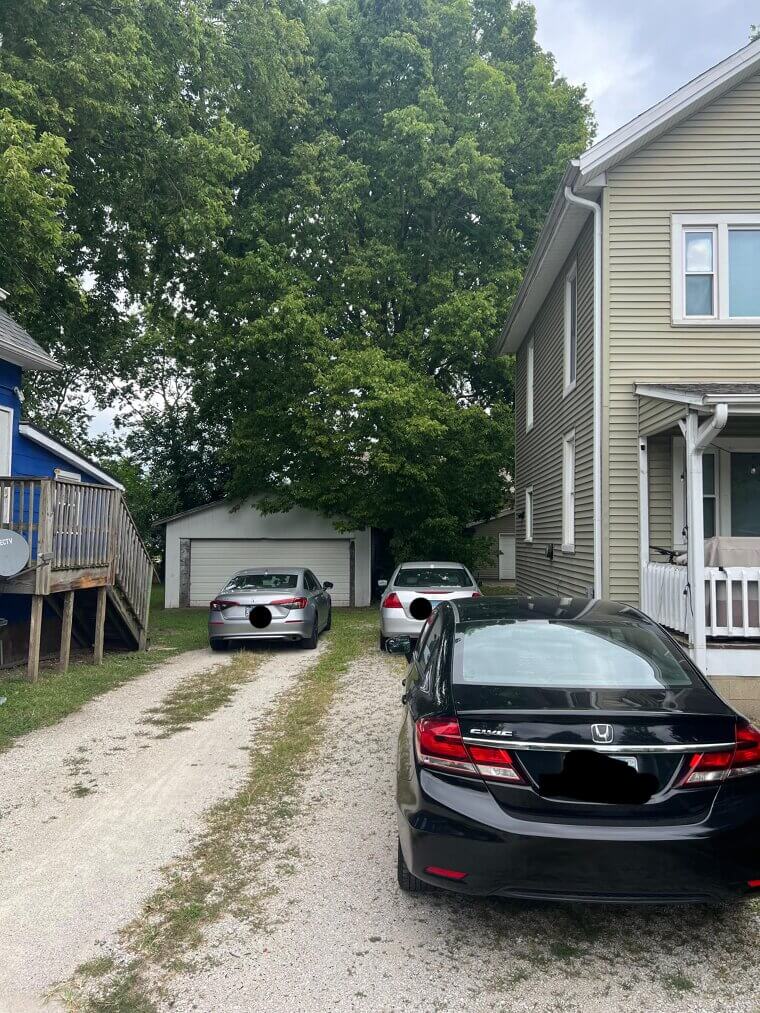
Maintaining a clear distance is the unwritten law of the shared driveway, ensuring everyone can come and go without a headache. Respect their personal space.
Neglecting to Trim the Grass Around the Mailbox
The mailbox is often the first thing people see when they drive up the street, and it’s usually on a small 'island' of grass or near the curb. If the rest of the lawn is mowed but the grass around the mailbox post is two feet tall and full of weeds, it looks unfinished. Using a string trimmer to keep that small area neat is a hallmark of a homeowner who pays attention to detail. It is a small task that takes less than a minute, but its absence is highly noticeable to everyone. Neighbors often judge a person's cleanliness by these edges.
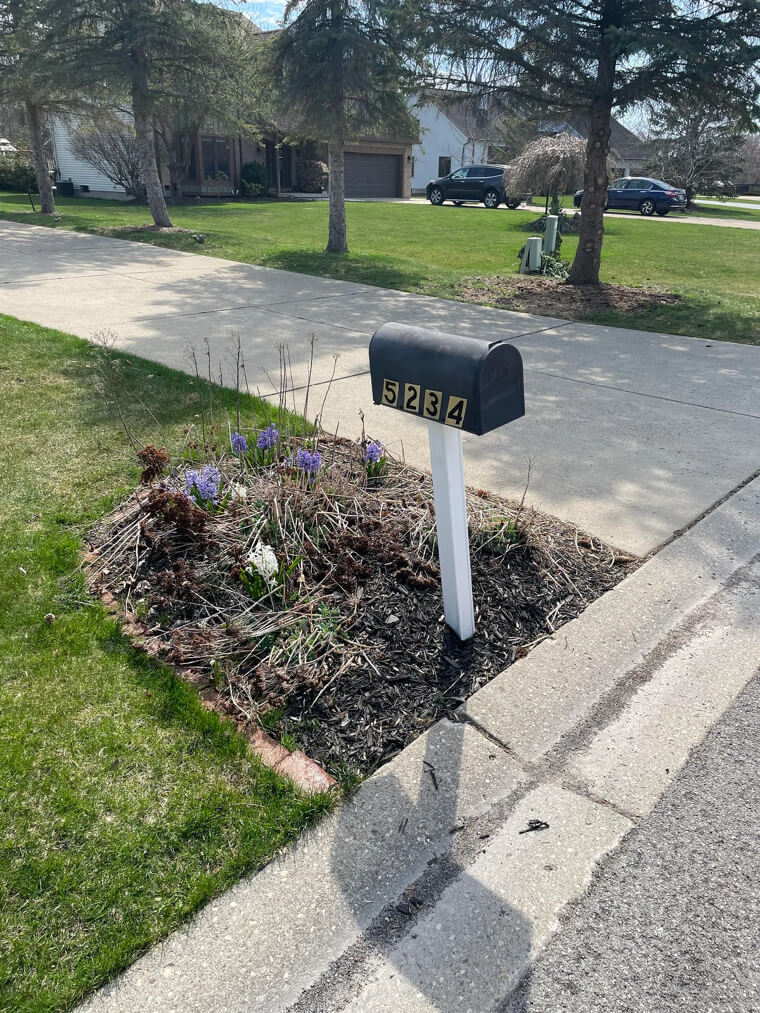
Neighbors often judge a person’s overall cleanliness by these small, visible 'edges' of the property. A quick trim makes a massive difference in the overall look.
Being the Only House on the Block with No Window Coverings
Privacy is a two-way street. While you have the right to live how you want inside your home, having large, bright windows with no curtains or blinds can sometimes make neighbors feel like 'accidental voyeurs.' If your living room is lit up like a stage at night and the neighbors can see everything you’re doing while they walk their dog, it creates an awkward atmosphere. Most people appreciate the 'visual barrier' that window treatments provide. It’s not just about your privacy; it’s about making sure your neighbors don't feel uncomfortable simply by looking.
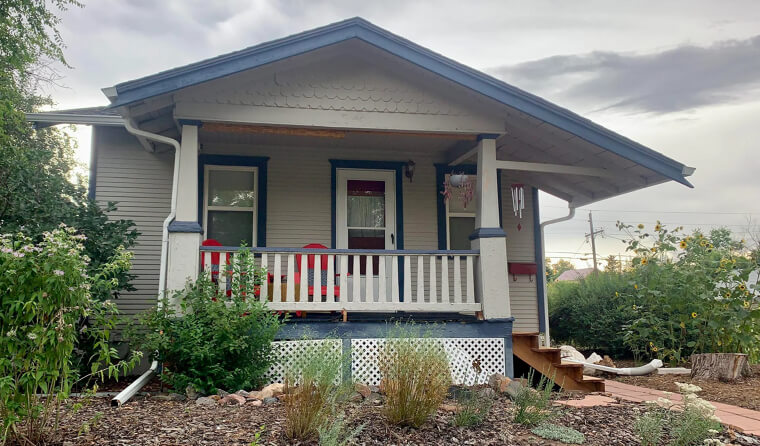
It is about making sure your neighbors don't feel uncomfortable simply by looking in your general direction while they are outside in their own yards.
Talking Over the Fence for Too Long While They Work
We all have that one neighbor who sees a person doing yard work as an invitation for a long-winded chat. While being friendly is encouraged, it’s important to recognize when someone is 'in the zone.' If a neighbor is sweating, holding a heavy tool, or clearly trying to finish a task before it rains, stopping them for a 20-minute discussion about local politics is poor form. The unwritten rule is to offer a friendly wave or a 'looks great!' and keep moving unless they clearly stop to engage. Respecting a neighbor's time and labor is a subtle form of kindness.
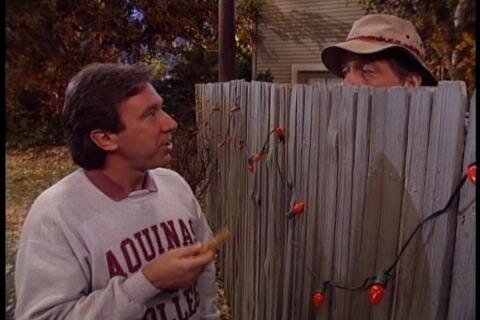
Respecting a neighbor's time and labor is a subtle but deeply appreciated form of kindness. Let them finish their work in peace and quiet.
Letting Your Kids or Grandkids Wander into Other Yards
The neighborhood may feel like one big playground, but property lines still matter. Allowing children to run through a neighbor’s garden, jump on their porch, or play near their expensive landscaping can lead to silent (or vocal) frustration. Many homeowners, especially those who have worked hard to maintain a peaceful environment, view their yard as a private retreat. It is generally expected that parents or grandparents will keep children within their own boundaries unless they have an explicit 'open yard' agreement. Teaching the younger generation about property respect is a vital value.
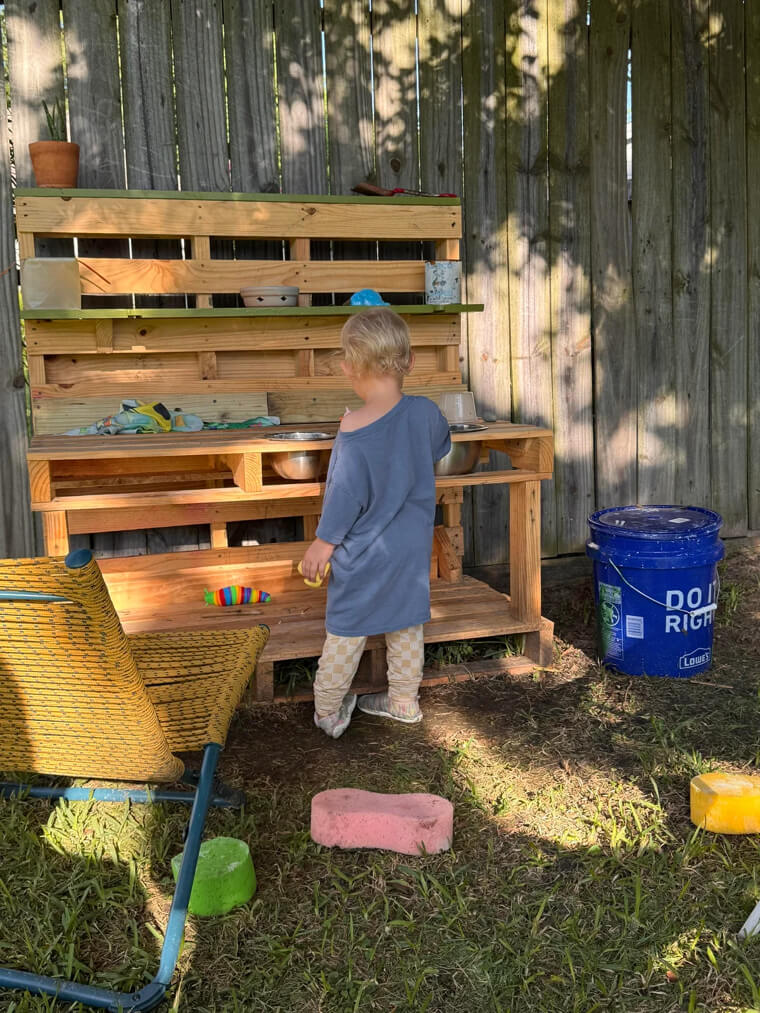
Teaching the younger generation about property respect is a value many older neighbors hold in high regard. It prevents accidental damage to expensive plants and lawns.
The Silent Competition of Lawn Ornaments and Statues
There is a fine line between a charming garden accent and a yard that looks like a miniature theme park. While everyone has different tastes, having an overwhelming number of gnomes, spinning windmills, and plastic flamingos can be seen as 'a bit much' by the rest of the block. The unwritten rule of neighborhood aesthetics usually leans toward 'less is more.' When one yard becomes highly eccentric, it can reportedly become a topic of conversation at the local grocery store. Keeping your outdoor decor tasteful and contained helps maintain a cohesive look that neighbors like.
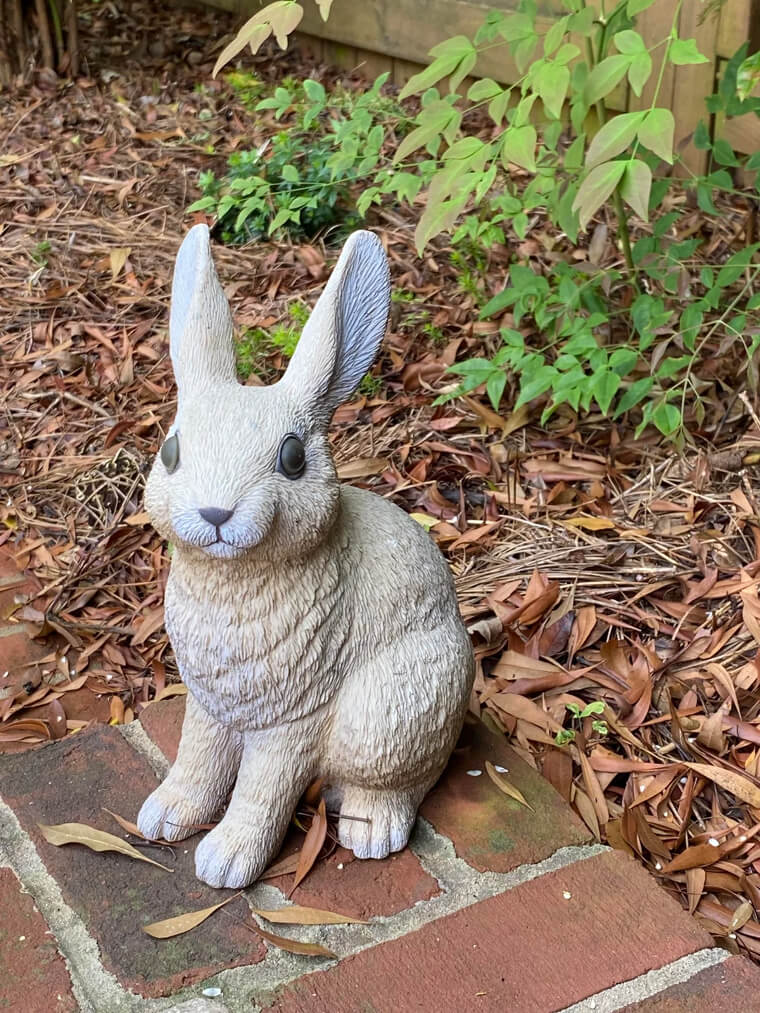
Keeping your outdoor decor tasteful and contained helps maintain a cohesive look that most neighbors appreciate, even if they never say it out loud to you.
Failing to Clear Snow from the Sidewalk Promptly
In colder climates, the morning after a snowstorm is a test of neighborhood character. The unwritten rule is that you should have your portion of the public sidewalk cleared within a reasonable timeframe. Leaving a sheet of ice or a foot of snow forces neighbors to trek through the slush or walk in the dangerous, icy street. This is especially important for the safety of mail carriers and elderly neighbors who need to stay active. Being the only house on the block with an uncleared sidewalk is a very visible sign of a lack of community spirit and general care.
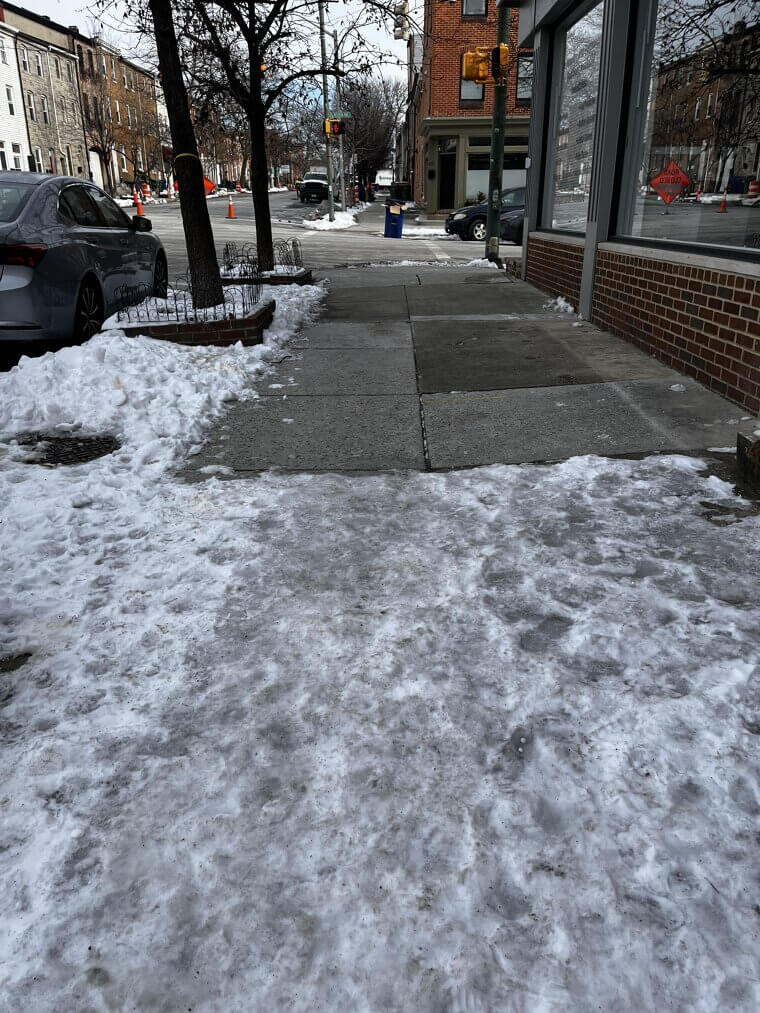
Often, the 'best' neighbors are the ones who shovel a few extra feet onto their neighbor’s side to help out. It shows true neighborhood solidarity.
Leaving Your Work-in-Progress Car on Concrete Blocks
We all have hobbies, but keeping a disassembled vehicle on blocks in the driveway for months on end is a classic neighborhood grievance. It creates an 'eyesore' that many feel belongs in a specialized shop or behind a closed garage door. For neighbors, it suggests a lack of progress and can make the street feel less like a residential area and more like an industrial lot. While most people are happy to see a neighbor working on a classic car, the 'abandoned' look of a vehicle without wheels or an engine is often seen as neglect. It is problematic.
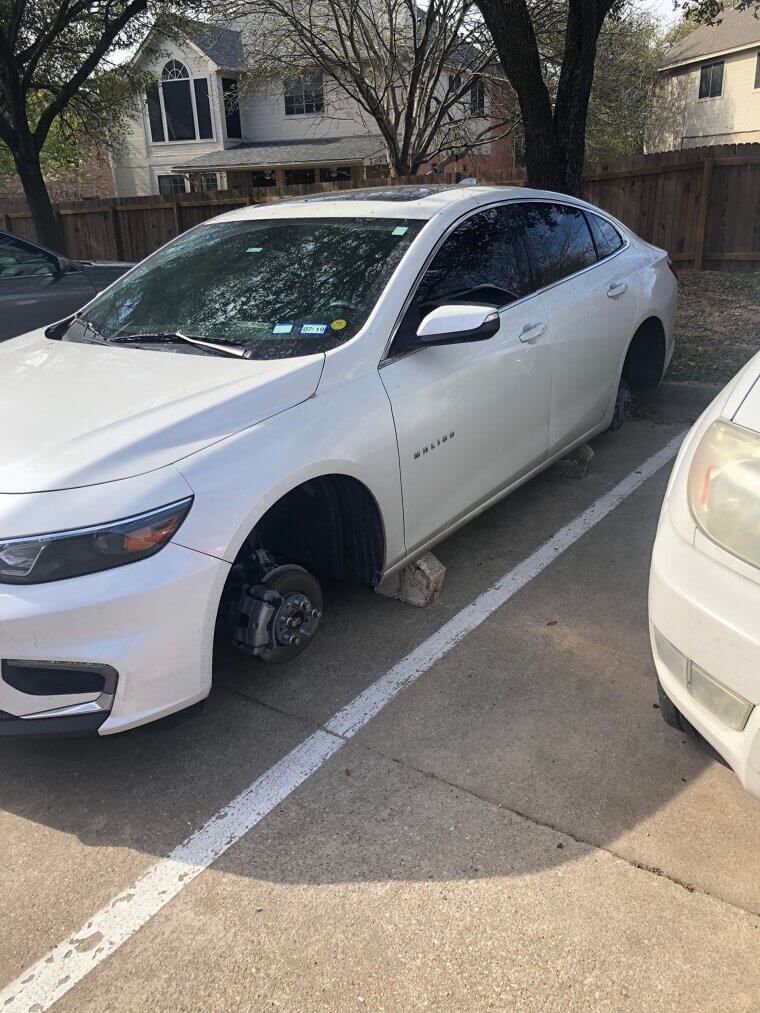
This is often seen as a sign that the property is being neglected. It can negatively impact the street's overall aesthetic and property values for everyone.
The Etiquette of The Wave While Driving Through
In a close-knit community, the 'neighborhood wave' is a small but vital social lubricant. When you drive past a neighbor who is out walking or working in their yard, a simple hand raise or a nod is the standard. Consistently staring straight ahead and ignoring the people who live around you can be interpreted as being 'too good' for the neighborhood or just plain grumpy. It takes almost no effort but goes a long way in establishing a friendly atmosphere. Reportedly, the neighbors who don't wave are often the ones people are least likely to help in an emergency.
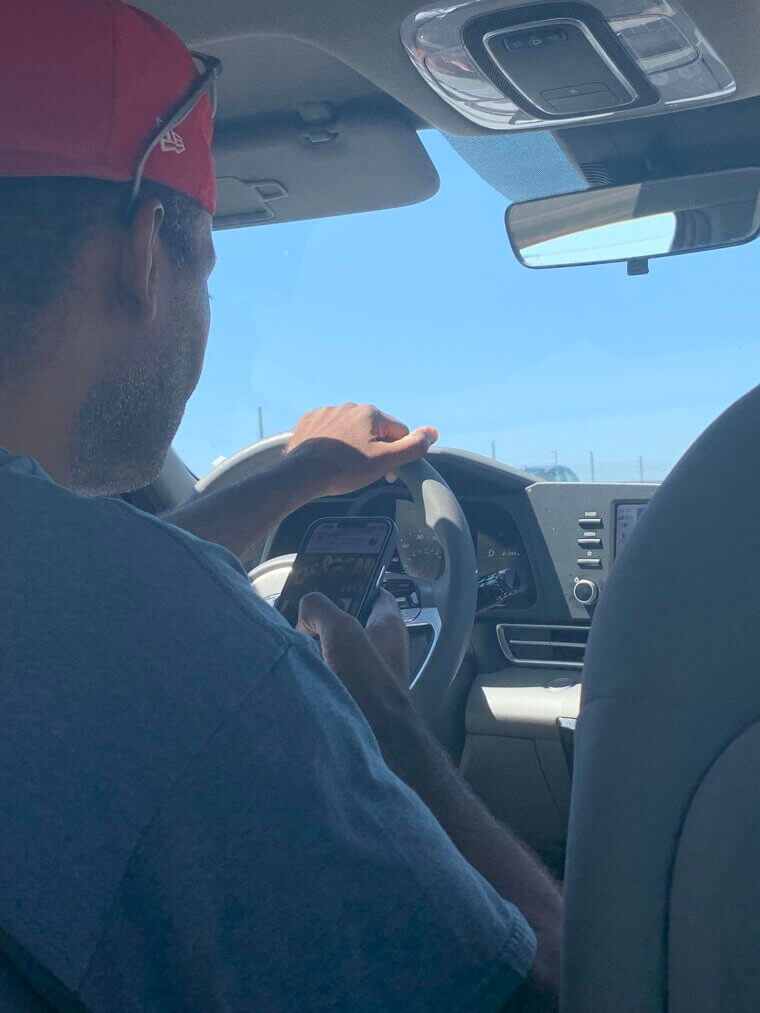
Reportedly, the neighbors who don't wave are often the ones people are least likely to help when a real emergency arises. A little wave goes far.
Taking the Last Good Trash Spot on the Curb
On trash day, if you live in a crowded area, curb space is at a premium. If you place your bins in a way that blocks a neighbor’s ability to pull out of their driveway or takes up the only available guest parking spot on the street, you are likely being judged. A considerate neighbor thinks about the 'logistics' of trash day, ensuring their bins are out of the way of traffic and pedestrian paths. It’s a small logistical puzzle that, when solved correctly, keeps the morning commute running smoothly for everyone on the block. It shows spatial awareness.
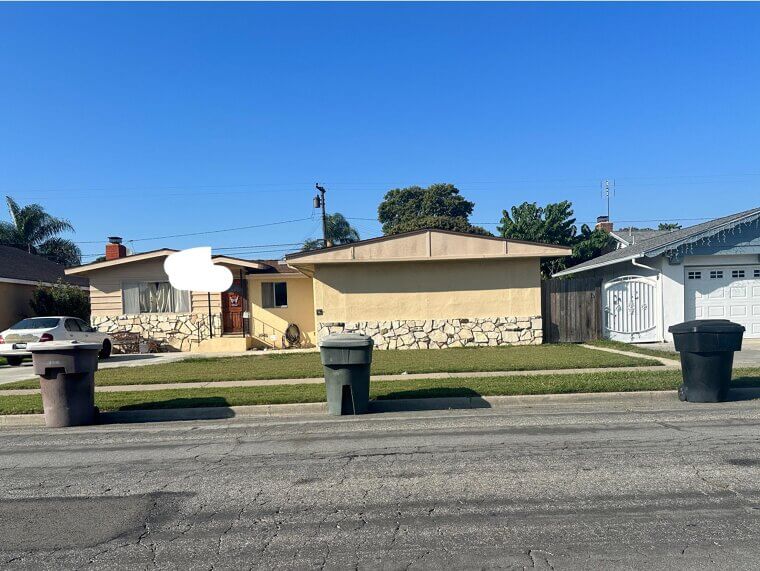
It’s a small logistical puzzle that, when solved correctly, keeps the morning commute running smoothly. It shows you care about the flow of traffic.
Forgetting to Turn Off Your Car’s Bright Lights in the Driveway
If you arrive home late at night, leaving your high beams on while you sit in the car to finish a phone call or check your messages can be incredibly annoying. The lights often shine directly into the front windows of the house across the street, illuminating their living room or bedroom. The polite thing to do is to dim your lights as soon as you pull into the driveway. It is a tiny gesture of 'light pollution' control that shows you are thinking about the comfort of the people who are likely trying to wind down.
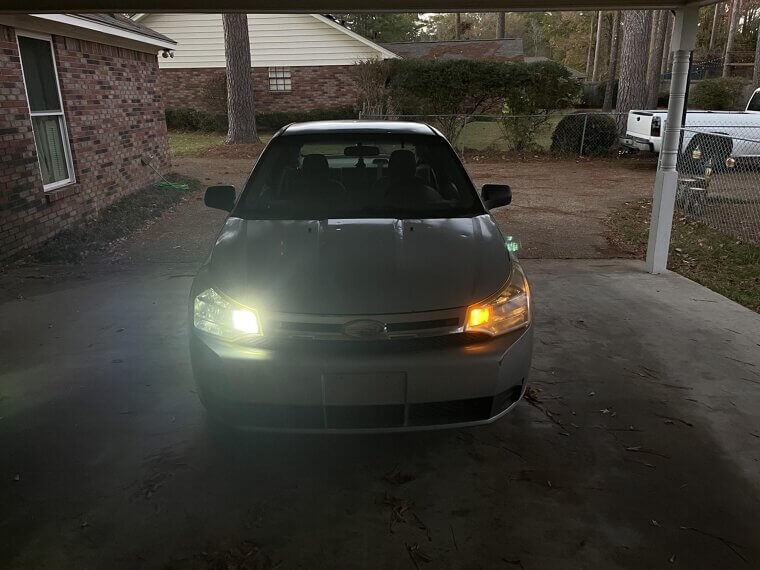
It shows you are thinking about the comfort of the people who are likely trying to wind down for the evening. Avoid blinding your neighbors at night.
Neglecting the Shared Hellstrip Between the Sidewalk and Curb
That tiny strip of grass between the sidewalk and the street is often a 'no man’s land' in terms of city maintenance, but the unwritten rule is that the homeowner is responsible for it. If your main lawn looks like a golf course but the strip by the curb is full of tall weeds and trash, it ruins the whole effect. Neighbors appreciate it when this area is kept just as neat as the rest of the yard. It shows a commitment to the entire street’s appearance, not just the parts that are directly attached to your house. It is a detail.
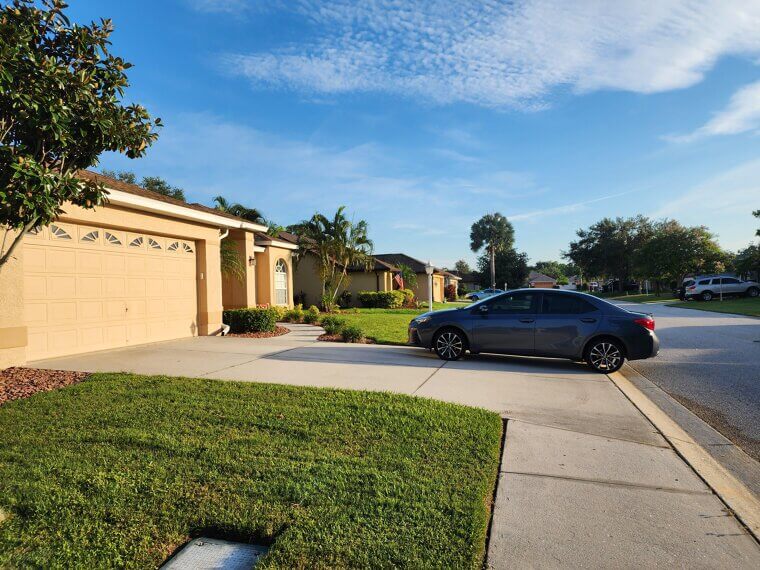
It shows a commitment to the entire street’s appearance. Keeping it tidy suggests you take pride in every inch of your property and surroundings.
The Unwritten Rule of Borrowing a Neighbor’s Wi-Fi
In the digital age, having your Wi-Fi signal 'bleed' into a neighbor’s house is common, but trying to guess their password or asking to use it because yours is down is often seen as an overstep. Most people view their internet connection as a private utility, much like water or electricity. Unless you are in a legitimate emergency, it is best to keep your digital life separate. Allegedly, 'Wi-Fi poaching' is one of the newer ways that neighbors start to feel a bit wary of the people living next door. It is seen as a major privacy breach.
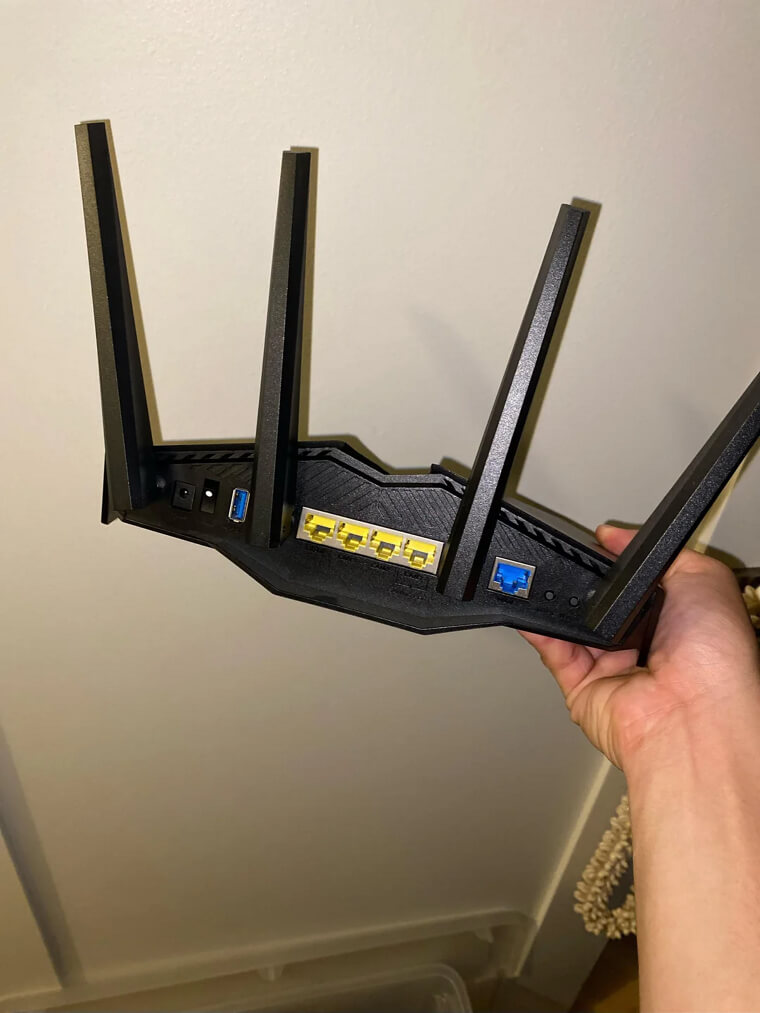
Allegedly, 'Wi-Fi poaching' is one of the newer ways that neighbors start to feel wary. Respect their digital boundaries as much as their physical ones.
Leaving Out Your Children's Large Toys Overnight
Bicycles, plastic slides, and blow-up pools are great for daytime fun, but leaving them scattered across the front lawn overnight can make the neighborhood look messy. Most neighbors prefer to see toys tucked away in the backyard or the garage once the sun goes down. It keeps the front of the homes looking uniform and tidy. Additionally, toys left near the sidewalk can be a tripping hazard for people walking in the evening. Taking the extra five minutes to 'clear the deck' at the end of the day is a sign of a thoughtful neighbor. It shows respect.
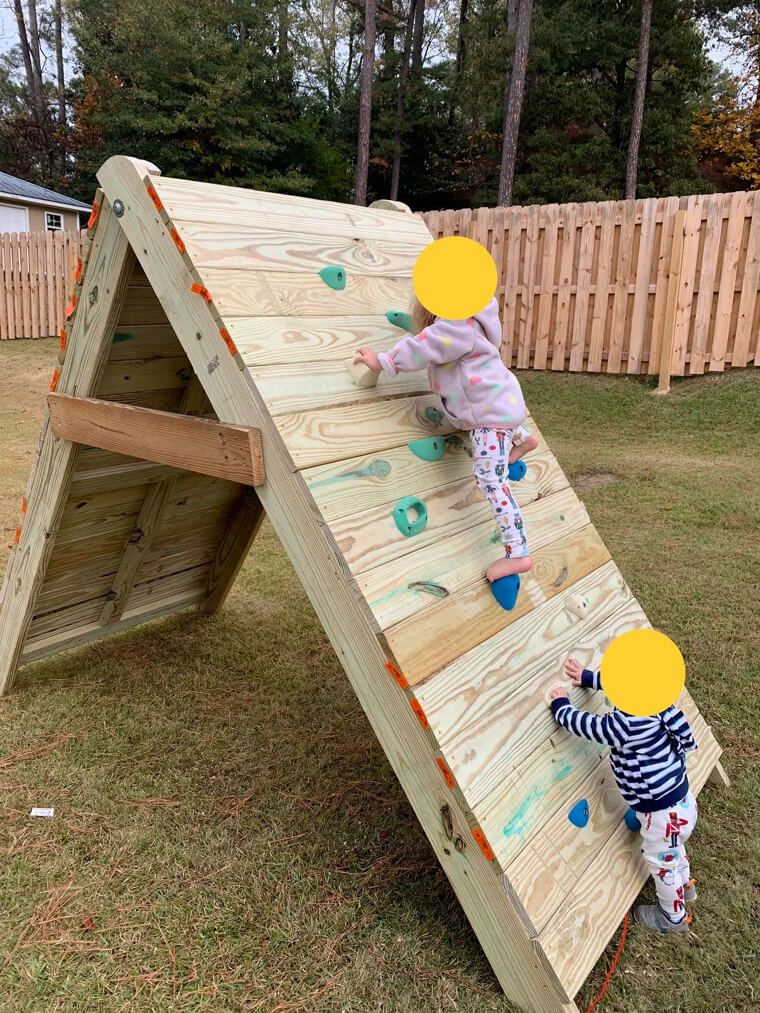
Taking the extra five minutes to 'clear the deck' at the end of the day is a sign of a thoughtful, organized and respectful neighbor.